When the Body Breaks Open: What Grief Does to an American Frame

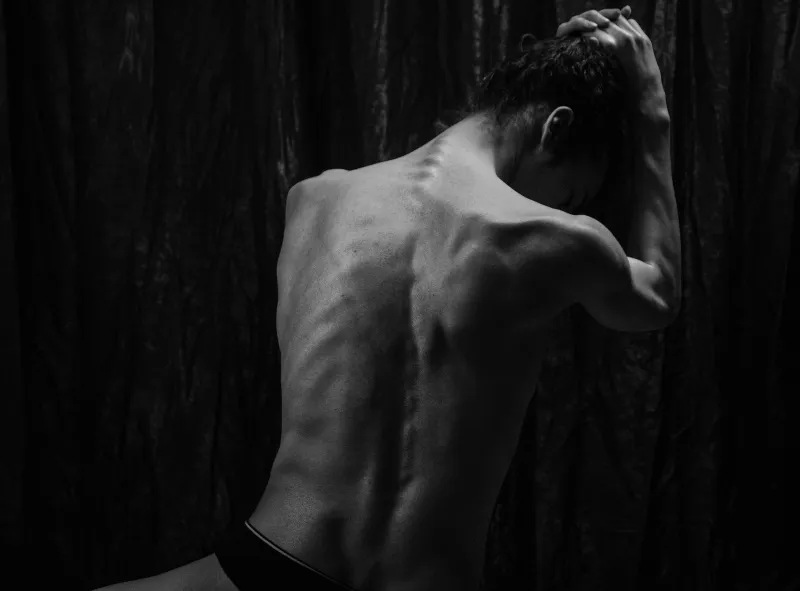
There's a particular shape that grief makes. You've seen it. Maybe you've been it. The shoulders roll forward like a closing parenthesis. The chest hollows. The neck drops its hold on the head, and suddenly the whole upper body becomes a slow, quiet surrender to gravity. It's not dramatic. It's not theatrical. It's just — collapse. The kind that happens in grocery store parking lots and bathroom stalls and that one chair you've been avoiding since someone stopped sitting in it.
We don't talk much about what sorrow does to the body in America. We talk about processing it, working through it, healing from it — language that keeps grief safely in the mind, manageable, clinical, something to be optimized. But the body doesn't wait for permission. The body is already in it, already reorganizing itself around the weight of what's been lost.
The Architecture of Loss
Bodywork therapists and somatic practitioners have been saying this for decades: grief has a posture. When someone is in acute loss, you can often read it in the way they carry themselves before they say a single word. The protective curl forward — shoulders up and in, sternum dropping — is the body attempting to shield the heart. Literally. It's the same shape we make when we're cold, when we're scared, when we're trying to take up less space in a world that suddenly feels too large and too indifferent.
Physically, grief activates the same stress responses as threat. Cortisol spikes. Muscles brace. The diaphragm tightens, which is why bereaved people so often describe feeling like they can't get a full breath. The heaviness people report in their limbs isn't metaphor — it's the body redistributing its resources, pulling inward, conserving. You're not imagining that your arms feel like they belong to someone else. Your nervous system is genuinely running a different program.
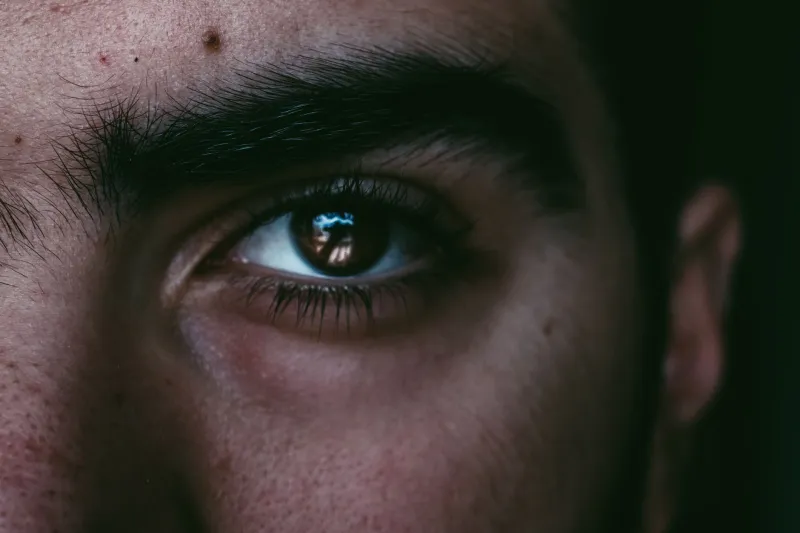
And then there's the face. The way the jaw softens and drops. The way the eyes lose their focus on anything external. Grief makes the body turn inward so completely that the outside world goes slightly blurry — not because you're not paying attention, but because your entire organism is paying attention to something else.
America Doesn't Let You Slouch
Here's the uncomfortable part: we've built a culture that pathologizes exactly this response.
In the United States, there's an almost reflexive pressure to hold yourself together — physically, visibly, publicly. Stand up straight. Keep it moving. The grief industrial complex — condolence cards, casseroles, the two-week bereavement leave that assumes you'll be back to full productivity by Monday the 15th — operates on an unspoken agreement that the body should return to its upright, functional position as quickly as possible.
We admire the widow who doesn't break down at the podium. We quietly judge the person who's still visibly undone six months later. We tell people to carry their grief as if it's something that should be neatly packed and transported, not something that might need to be worn for a while — on the face, in the walk, in the way someone sits down in a chair like they're not sure the floor is still trustworthy.
Compare this to mourning traditions in other parts of the world. In many West African cultures, grief is communal and loud and physical — wailing, rocking, moving together in a way that externalizes sorrow rather than containing it. In parts of the Middle East and Mediterranean Europe, black clothing worn for extended periods of mourning isn't just symbolic; it's a social signal that says my body is in a different state right now, and the world should know it. In some Indigenous American traditions, the body's grief is honored through ceremony and time — there's no clock on when you should look like yourself again.
American grief, by contrast, tends to be privatized. We do it alone, or in small rooms, and we try to make sure it doesn't show too much on the outside.
What Gets Lost When We Hold It Together
There's a cost to performing composure through loss. Somatic therapists will tell you that unexpressed grief doesn't disappear — it compresses. It gets stored in the tissue, in the held breath, in the shoulders that never quite come back down. Chronic tension patterns in the chest and throat are often traced back to grief that was never allowed to move through the body the way it needed to.
The performance of being fine is exhausting in a way that's hard to articulate because it happens below the level of conscious thought. Your body wants to collapse. Your social training says don't. And so you spend enormous energy holding a shape that isn't true — keeping the shoulders back, keeping the voice steady, keeping the face arranged into something that reads as coping — while the actual experience of your body is something else entirely.
There's also something important lost when we don't let grief be visible. Other people can't find you. The person at the coffee shop who lost their mother eight months ago can't recognize the person across the street who lost theirs last week. The legibility of shared sorrow — the way a visible grief posture can function as an invitation, a signal, a me too — gets erased when everyone's performing recovery on the same timeline.
Letting the Body Tell the Truth
There's a growing conversation in somatic and trauma-informed spaces about what it might mean to actually let the body grieve — not just in therapy sessions, but in the actual texture of daily life. To let yourself walk slowly when you're walking slowly. To stop pulling your shoulders back when they want to come forward. To let the face do what the face does when the face is sad.
This isn't wallowing. It's not refusing to heal. It's recognizing that the body's grief response is not a malfunction — it's information, it's process, it's the organism doing exactly what it's supposed to do when something irreplaceable is gone.
The slouch of grief is not weakness. It's the body being honest about what it's holding.
In a culture that prizes performance — of wellness, of resilience, of relentless forward motion — maybe the most radical thing you can do is let your body tell the truth about what it's been through. Let the posture be what it is. Let the heaviness show. Let the shape of your loss be legible, at least for a while, at least to yourself.
The body knows how to grieve. We just have to stop interrupting it.